Personal Projects

Small projects I built to learn new tools by actually shipping something.

I'm not an engineer by training. I'm a technically curious person who now has tools good enough to chase ideas past the point where they used to stop being possible. These two projects are my personal sandbox for staying hands-on with modern AI coding tools, learning by shipping, and seeing how far a non-engineer can get.

I built this because the cabin keeps losing internet.

We spend a lot of time at our cabin, and the internet there is unreliable. Outages, dropped connections, and the occasional storm that takes everything down for a day or two. After enough of those I wanted something that would still work when the connection didn't. A small library of useful content running on the local network, available from whatever device anyone happened to grab.

ArkFile is built on the open-source Kiwix offline ZIM viewer with a curated library on top: offline Wikipedia, maps, public-domain reference content, 120+ classic books, and practical how-to material. When the wifi cuts out, family and guests at the house can still pull up whatever they need.

The other reason I kept building it was to get hands-on with the newest AI coding tools while they were still being onboarded and rolled out at my day job. I started in VS Code, moved to Windsurf, then Claude and Codex, and rebuilt the project more than twenty times as I figured out what these tools could actually do. The current version came together in December 2025 after a winter-break stretch of chasing whatever was new.

  • Built on the open-source Kiwix ZIM viewer, extended with AI-assisted coding tools
  • Hosts on a local network so any device in the house can use it offline
  • Offline content includes Wikipedia, maps, public-domain reference, and 120+ classic books
ArkFile landing page with content categories
Home screen
ArkFile offline Wikipedia interface
Offline Wikipedia
ArkFile offline world map
Offline maps
ArkFile toolkit page with utilities
Toolkit
ArkFile survival knowledge Q&A
Survival Q&A
ArkFile mini-games section
Mini-games

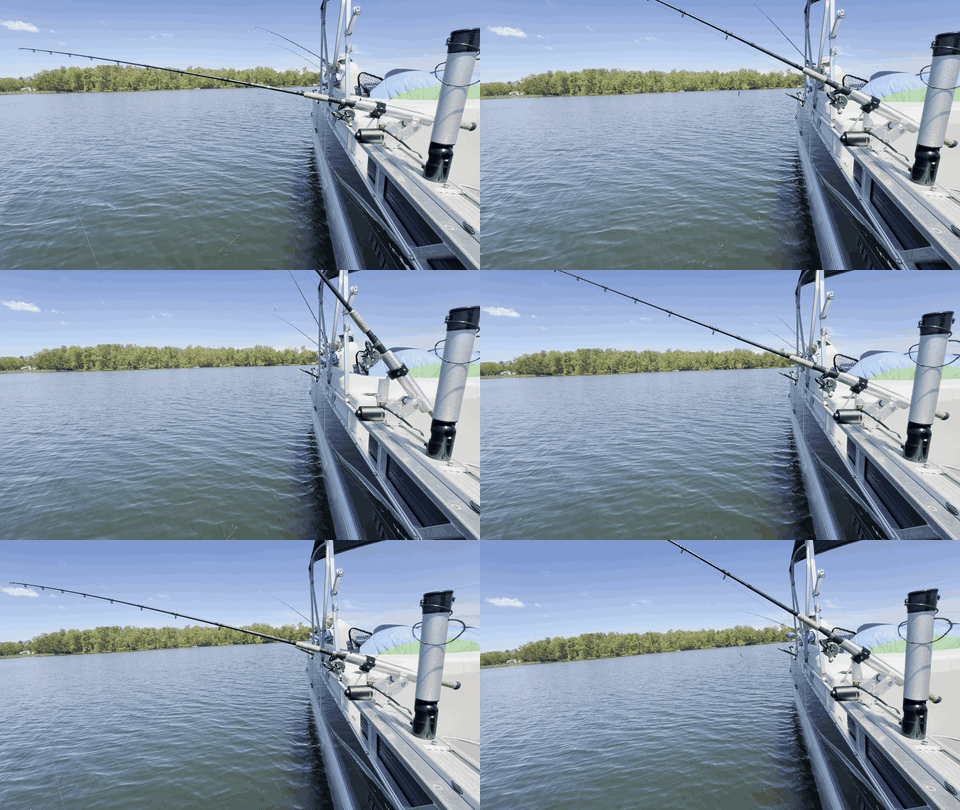
A safety-first maker prototype: can AI tools help a non-engineer iterate on a physical build?

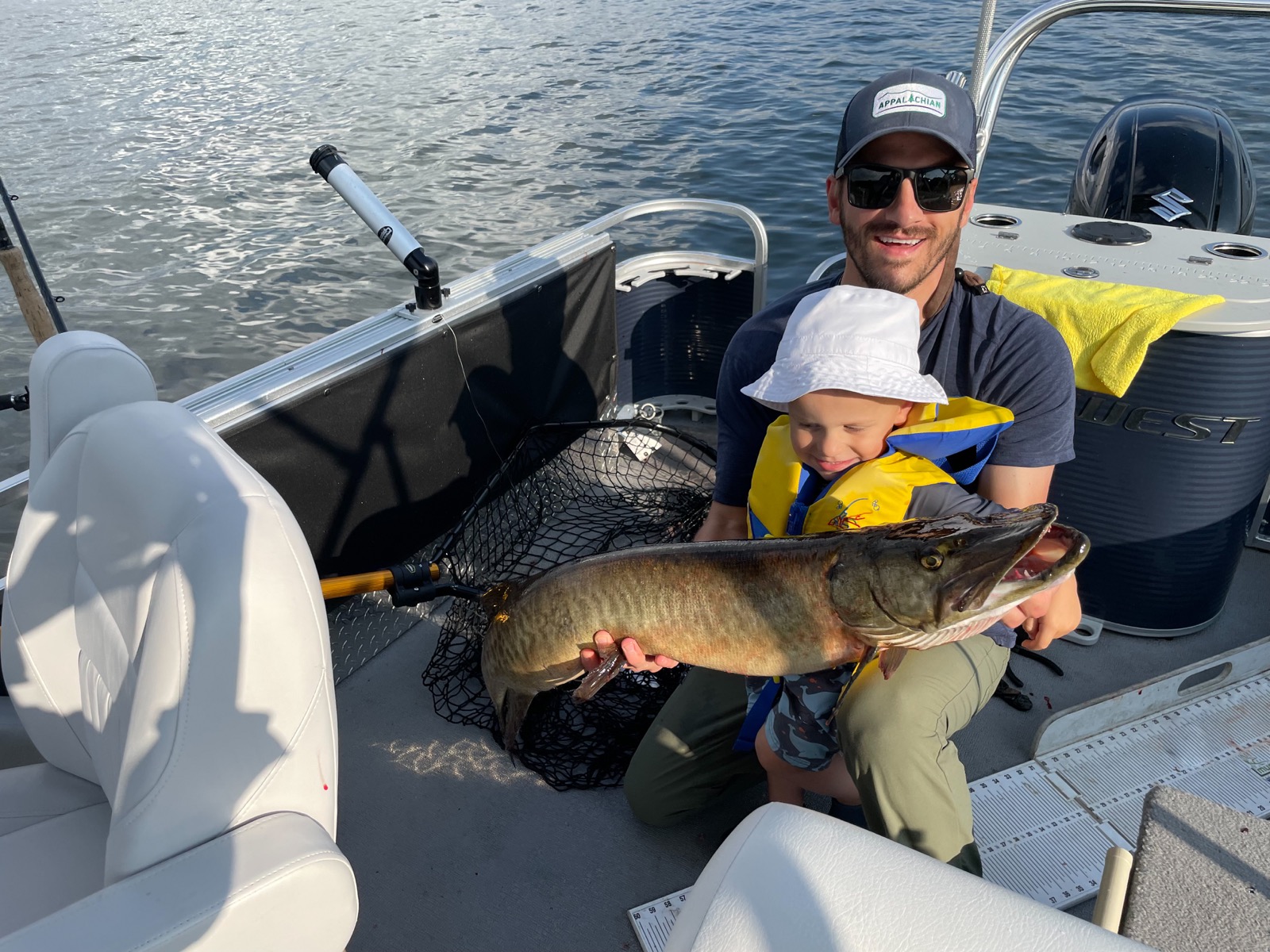
I love musky fishing. I'm a long-time member of Muskies Inc., the conservation and research organization that has spent decades protecting the muskellunge fishery and the waters it depends on. The whole thing (the fishing, the conservation work, the time on the boat) is a big part of my life.

In 2026 I also doubled my number of children from two to four when twin girls arrived. With more kids on the boat, I spend most of my attention on them, which left less time for the rod. That got me thinking about a small controlled motion project: could I build a rod-holder-style device that adds a controlled jigging motion to a lure while I focus on the kids?

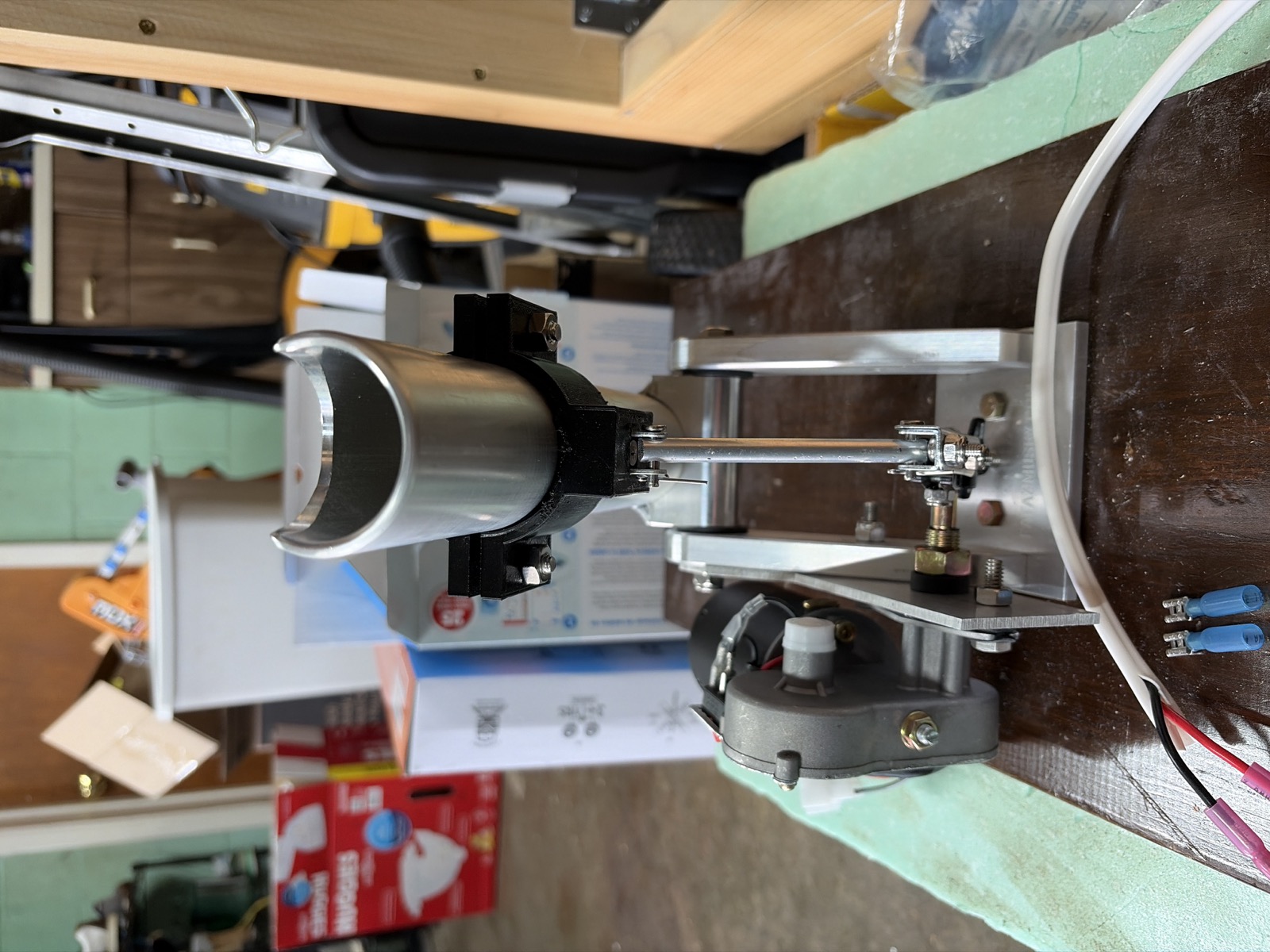
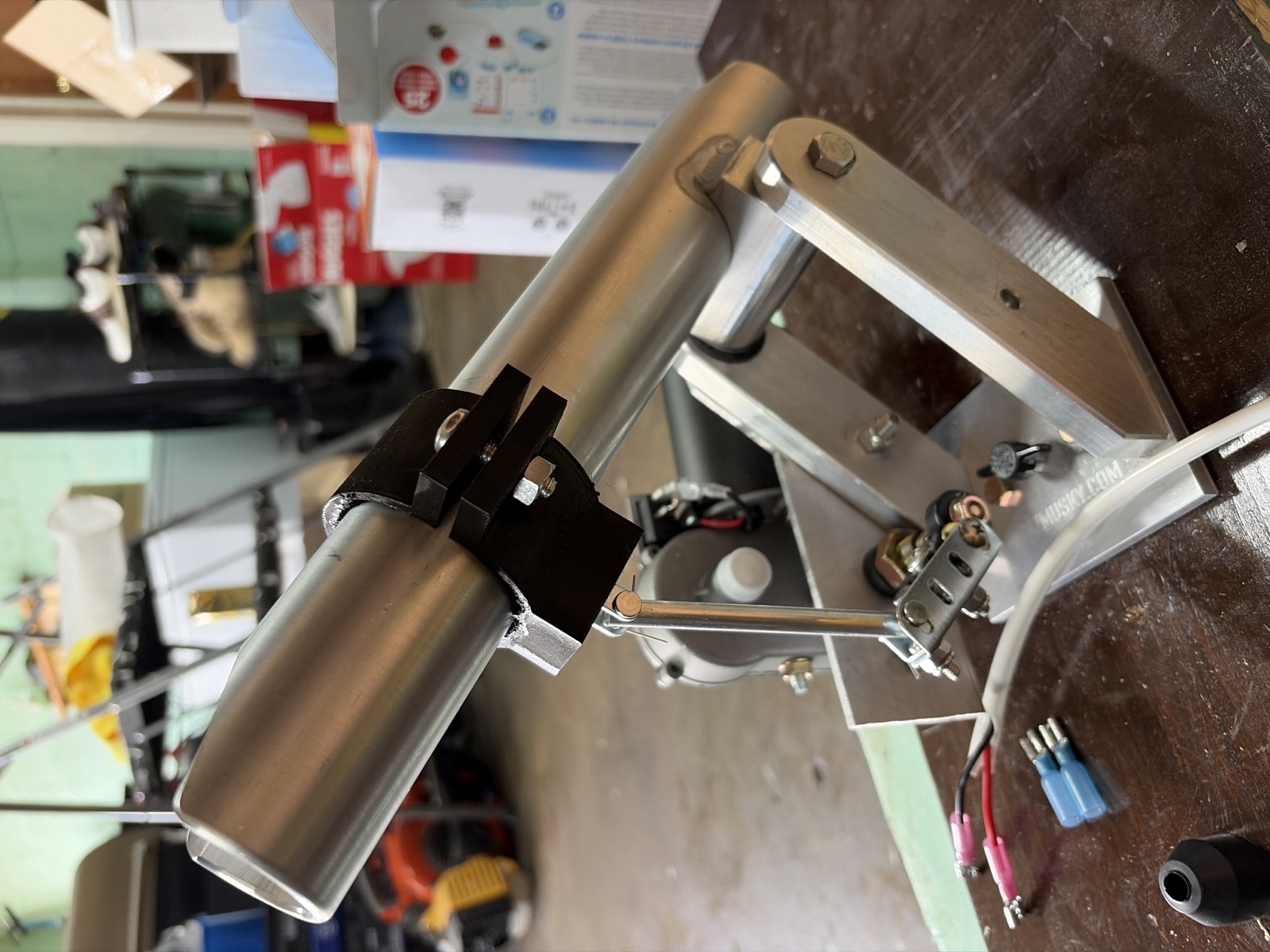
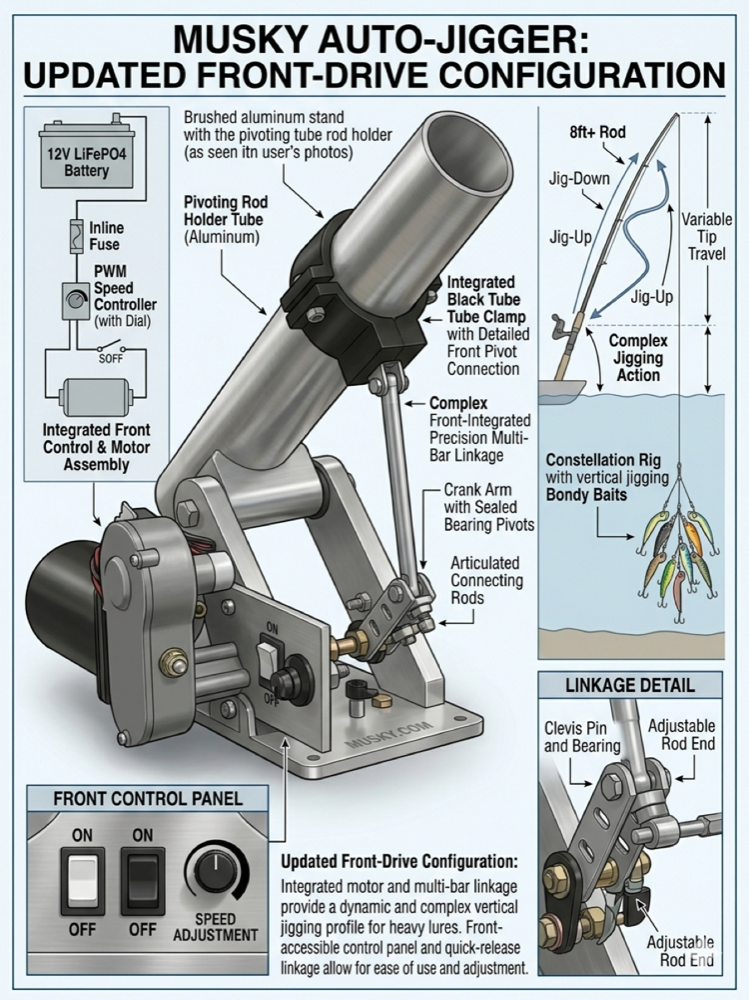
I started brainstorming with ChatGPT and turned it into the Musky Auto-Jig: a safety-first maker prototype using a windshield wiper motor, 3D-printed parts, and AI-assisted iteration to explore controlled rod-holder motion. The goal was never unattended fishing; it was learning to iterate on a mechanical build with modern AI tools as a collaborator.

AI tools walked me through all of it: 3D printing, choosing motors and electrical components, updating print files, programming different motion patterns. None of that was in my background. It's now a working prototype, and I'm planning to test it this summer. A small project that sits right at the intersection of everything I care about: fishing, conservation, family, and fun.

  • Windshield wiper motor, custom 3D-printed parts, adjustable motion patterns
  • ChatGPT and Codex as collaborators for mechanical design, electronics, and firmware
  • An excuse to iterate on a physical build with modern AI tools as a collaborator