Personal Projects

Small projects I built to learn new tools by actually shipping something.

None of this is my job. I sell software for a living; I don't build it. But the newest AI coding tools have closed enough of the gap that a technically curious person can actually finish things now. These are the projects I use to keep learning: an iPhone app for our family videos, and a fishing contraption my kids think is hilarious.

An iPhone app I built from my phone, one-handed, while rocking sleeping babies.

My wife and I welcomed twin girls in early 2026, joining our five- and three-year-old boys. I took parental leave and promised my wife the MacBook would stay shut. Then OpenAI shipped Codex's remote control feature right in the middle of it. Suddenly I could build software by typing, or whispering, into my phone during the 3am feedings.

The app came from something I'd wanted for years. I grew up watching home videos with my parents, VHS tapes from 1993 with their own four kids tearing around the house. I take video constantly now, but the clips just pile up in my camera roll. Apple's Memories montages and the editing apps were never what I was after. I wanted the thing we used to watch: a plain chronological record. Life, uncut.

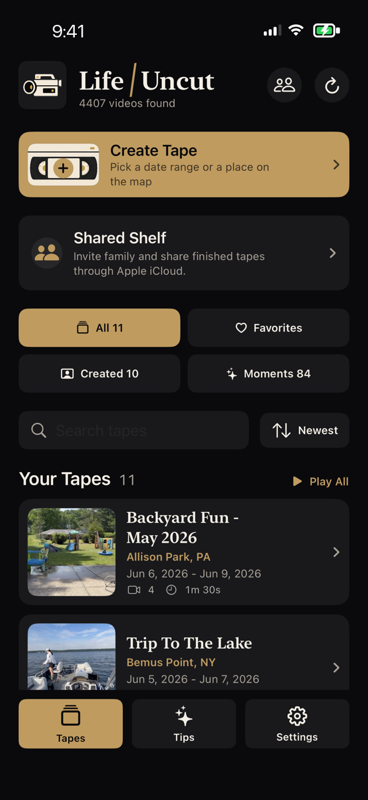
So I built it. Life/Uncut turns the videos already on your phone into simple tapes. Pick a date range or a spot on the map, and it stitches the clips together in order, untouched. It's free on the App Store, published mainly so my mom, dad, and grandma could install it. Almost every line of it was written through Codex from my phone, and new features still get typed in from family walks.

  • Designed and built almost entirely from a phone using Codex
  • Turns camera-roll videos into chronological tapes by date range or place
  • Shared shelf lets family watch and swap tapes through iCloud
Life/Uncut on the App Store →
Life/Uncut tape shelf screen
The tape shelf
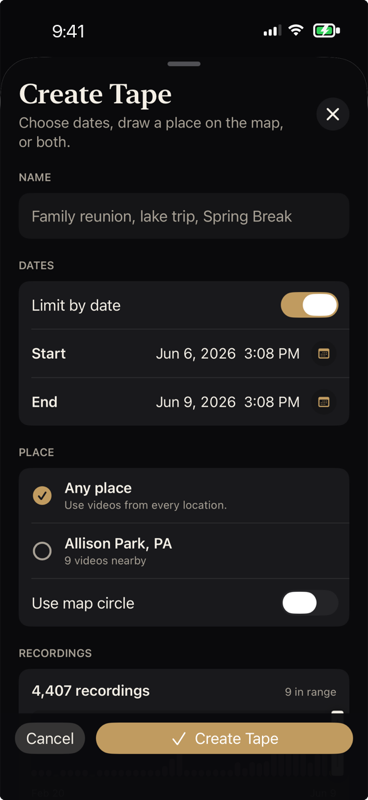
Life/Uncut create tape screen
Creating a tape
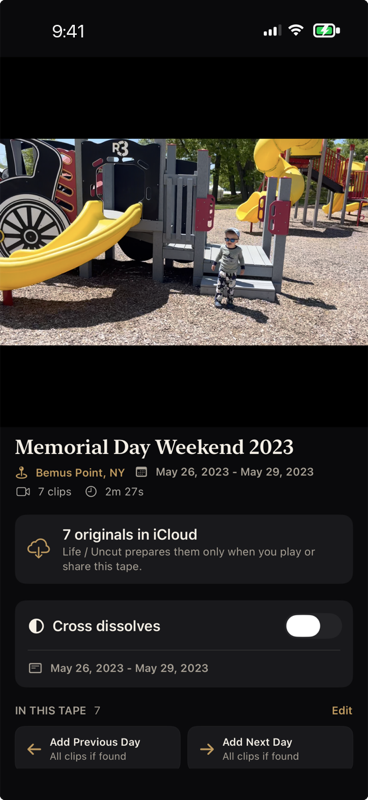
Life/Uncut watch tape screen
Watching
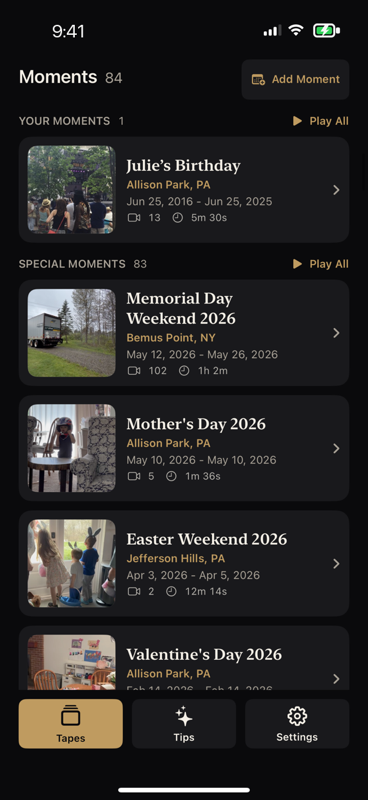
Life/Uncut moments screen
Moments

Four kids on the boat now, so I built us an extra hand.

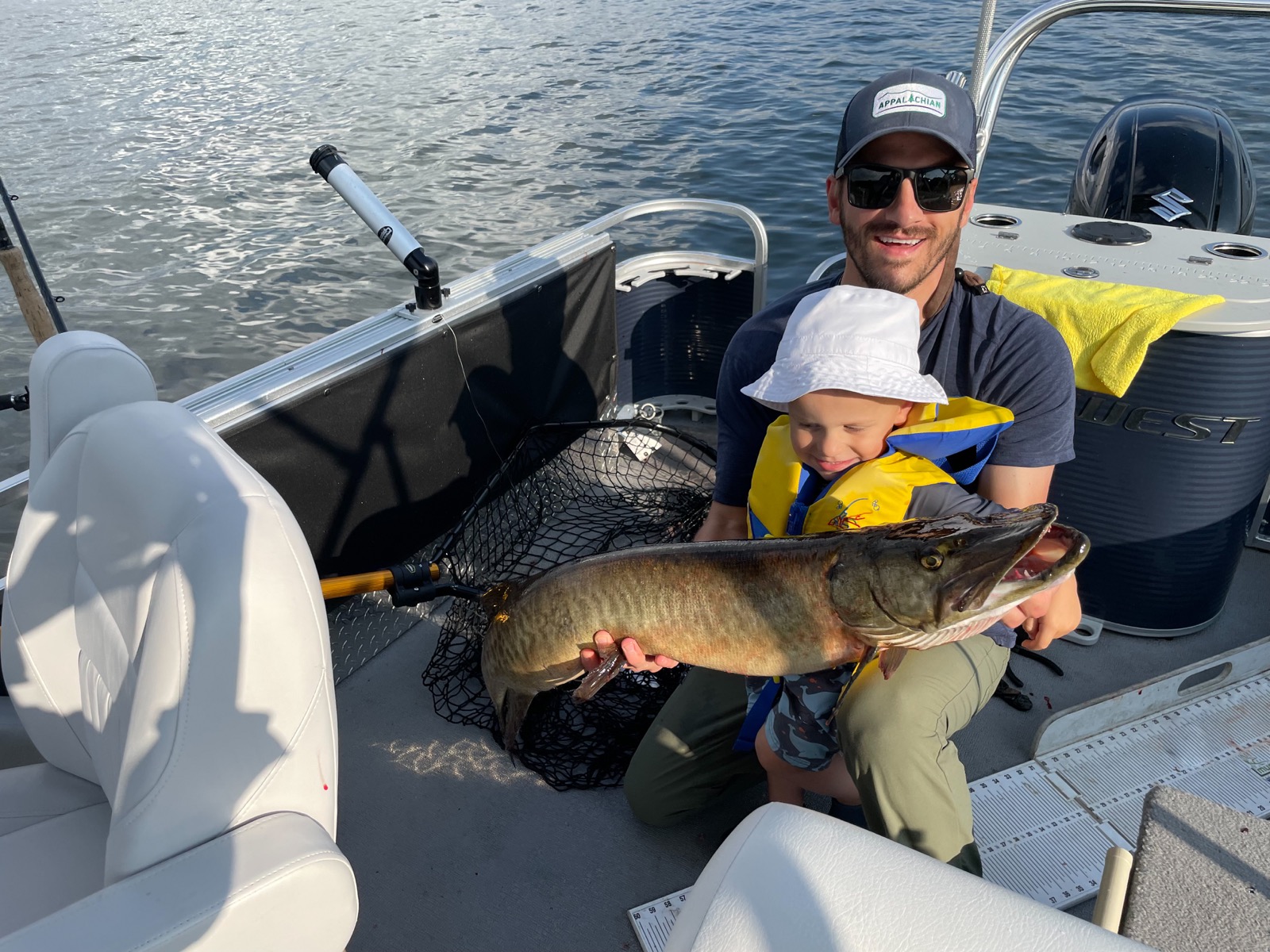
I love musky fishing. I'm a long-time member of Muskies Inc., the conservation and research organization that has spent decades protecting the muskellunge fishery and the waters it depends on. The fishing, the conservation work, the time on the boat: it's a big part of my life.

With the twins, my boat time is mostly spent untangling lines and opening snacks. I wondered whether I could build a rod holder that keeps a lure moving with a slow jigging motion while my hands are full with the kids.

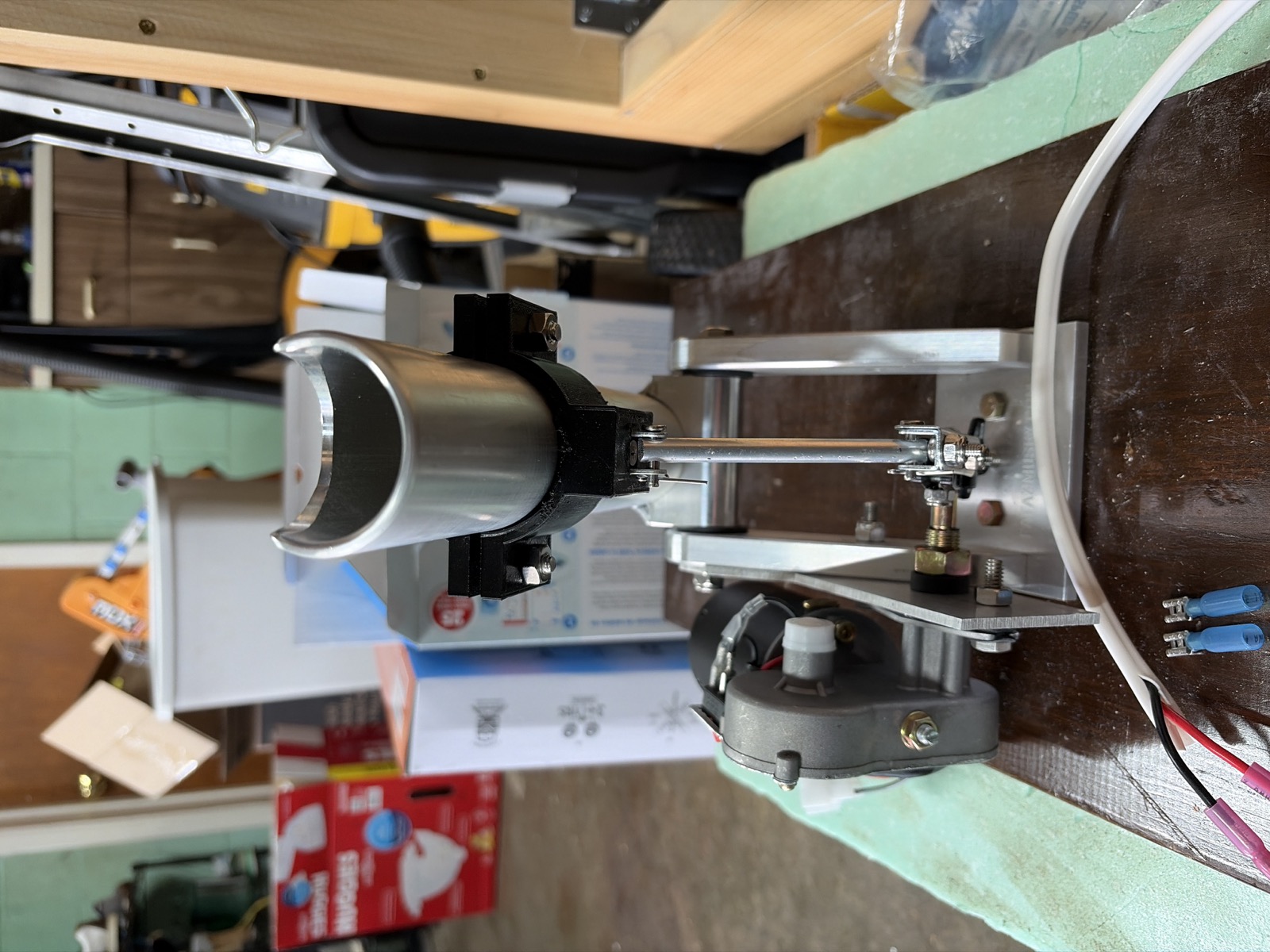
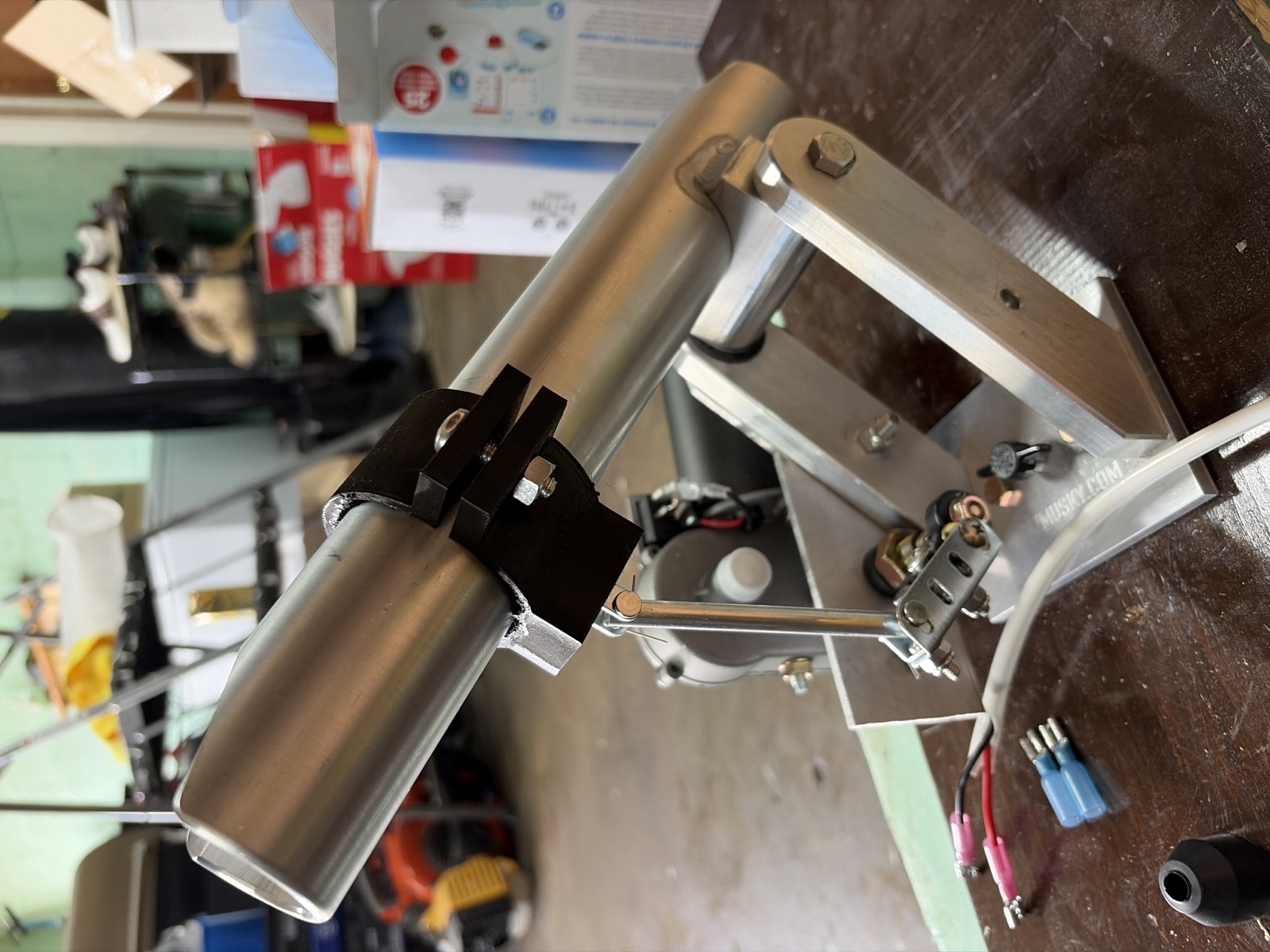
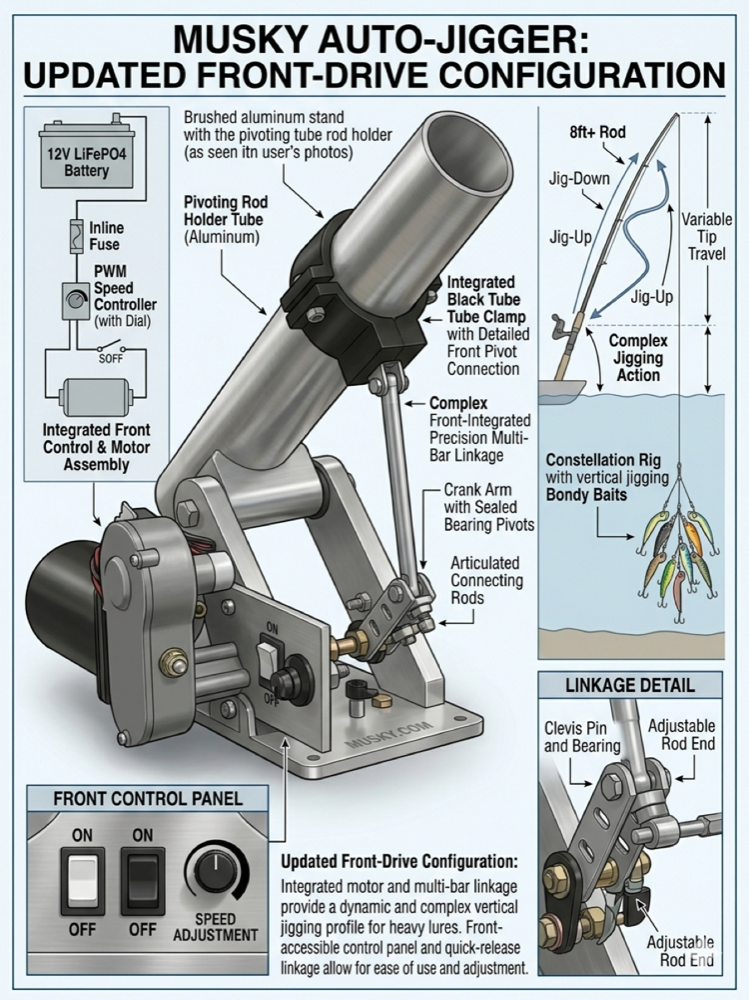
I started sketching the idea out with ChatGPT and it turned into the Musky Auto-Jig: a windshield wiper motor, custom 3D-printed parts, and a controller with a few different motion patterns. Mostly it was a way to find out whether AI tools could walk a non-engineer through a real mechanical build. They could. 3D printing, motor selection, wiring, firmware. None of it was in my background before this.

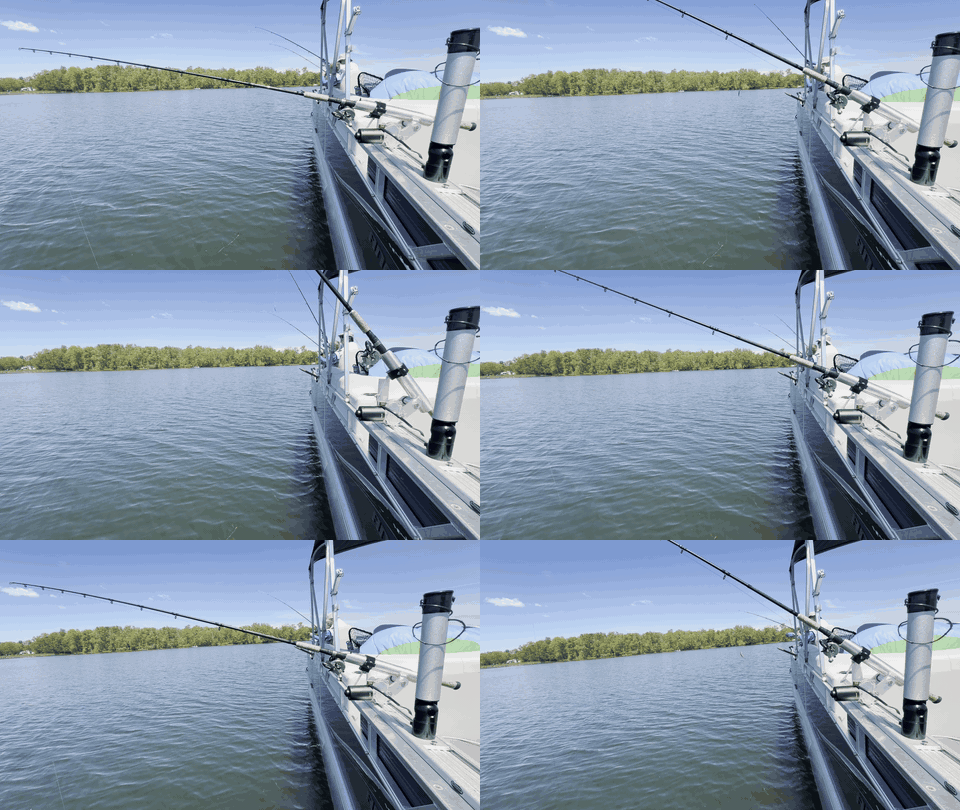
We got it on the water this summer. The kids mostly wanted to push the buttons, which was sort of the point. The clip below is from the first real test.

  • Windshield wiper motor, custom 3D-printed parts, adjustable motion patterns
  • ChatGPT and Codex handled mechanical design questions, electronics, and firmware
  • First prototype tested live on the water, summer 2026